





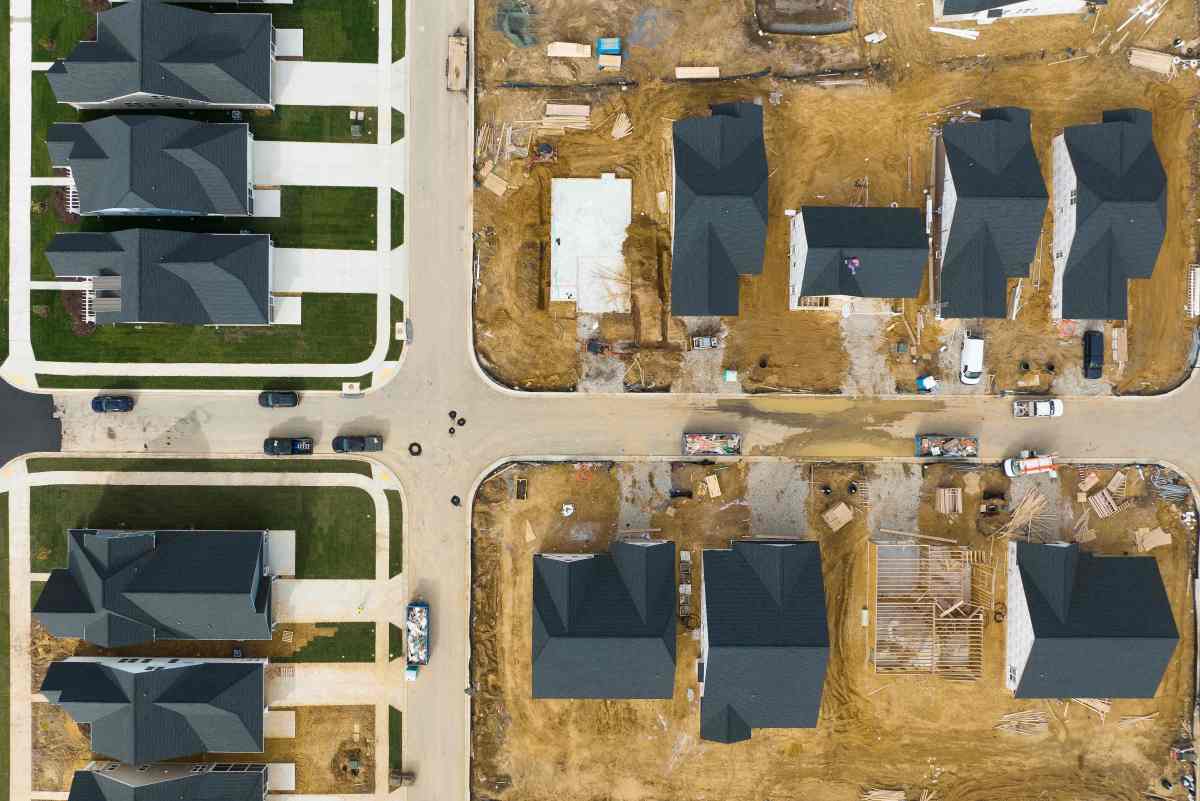
This year has been difficult for aspiring homebuyers in the U.S., with home prices continuing to rise and borrowing costs remaining stubbornly elevated, even as mortgage rates started declining in the fall.
But next year could be a little better for many Americans struggling with the high cost of housing, not only because experts predict affordability will improve ever so slightly in the coming months, but also thanks to a slew of programs aimed at helping homebuyers.
Why It Matters
A chronic shortage of homes is at the heart of the ongoing housing affordability crisis faced by the nation, which has seen the median monthly cost of homeownership surged by 26 percent since 2019, according to Census Bureau data, climbing from $1,609 to $2,035 in 2024.
Rising home prices, historically elevated mortgage rates and higher property taxes and homeowners insurance premiums are keeping many Americans from buying homes. The Census Bureau reported that the country’s homeownership rate fell to 65 percent in the second quarter of 2025, the lowest level since 2019.
What To Know
In a recent report, Realtor.com identified six aid programs as some of the most useful to know in 2026.
Federal Housing Administration (FHA) Loans
FHA loans, backed by the Federal Housing Administration, are a great way for households with low income, insufficient funds or poor credit to secure financing to buy a home when they are not eligible for conventional loans.
The bar for these loans is lower than for conventional ones, requiring a down payment as low as 3.5 percent. Long term, however, these might not be the cheapest option available on the market, Realtor.com experts warn, for those who might be able to qualify for lower private mortgage insurance.
Department Of Veterans Affairs (VA) Loans
VA loans are available to eligible veterans, active-duty service members and qualifying surviving spouses, who can secure financing with no down payment and no monthly mortgage insurance.
They are backed by the Department of Veterans Affairs (VA) and can be used to purchase a single-family home, condominium, multi-unit property, manufactured house or new construction.
Since 1944, the VA has guaranteed more than 28.5 million loans, according to Veterans United.
U.S. Department Of Agriculture (USDA) Loans
The USDA also offer loans with no down payments, but the eligibility criteria is a little stricter. These loans, known as Section 502 or 504 loans, are reserved for people with low or moderate income levels looking to buy in designated rural parts of the country.
While the common perception is that only those looking to buy in remote rural areas can apply, it is worth checking the USDA eligibility map and its income tool to see who is actually eligible for these loans.
HomeReady Or Home Possible
HomeReady and Home Possible are conventional mortgage programs backed by Fannie Mae and Freddie Mac, respectively, and designed to help low- to moderate-income borrowers buy homes with smaller down payments and more flexible requirements.
The down payment can be as low as 3 percent—lower than an FHA loan. According to Realtor.com, they can be a better alternative than FHA loans for borrowers with stronger credit profiles “because the monthly cost of private mortgage insurance (PMI) can pencil out better than FHA’s insurance pricing.”
They may also be better, experts said, for buyers who expect their income or home value to rise in the near future.
State And Local Housing Finance Agency (HFA) Programs
According to Realtor.com, the best form of help to buy a home can often be achieved through state and local HFA programs structured as grants, forgivable second mortgages or deferred-payment loans.
While this option requires some searching online from each borrower, the real estate brokerage made the example of a program in Pawnee City, Nebraska, offering $50,000 in down payment assistance to buyers of newly built homes in an effort to trigger a revival of the town.
Employer Down Payment Assistance (EAH)
Finally, Realtor.com suggests looking into an “underused” source of help: people’s employers. Many workplaces offer employer down payment assistance programs in the form of grants, matched savings or forgivable loans. It is worth asking if your employer offers one and what the terms are.
What People Are Saying
Daryl Fairweather, chief economist at Redfin, told Newsweek: “2025 was a year of stagnation. High mortgage rates—averaging about 6.6 percent—kept buyers on the sidelines, while sellers with low rates and plenty of equity largely chose to wait, keeping sales stuck around 4.1 million. The market was largely frozen.
“2026 marks the beginning of a long, slow recovery that Redfin is calling the Great Housing Reset. Affordability will improve because incomes are finally expected to grow faster than home prices for the first time since the post-Great Recession period. That should gradually bring some sidelined buyers back, but it won’t be a dramatic turnaround.”
Sain Rhodes, a real estate expert at Clever, told Realtor.com: “I cannot overstate how positive the changes in 2026 will be for many states.” However, she warned that some “catastrophic misperceptions” could hold buyers back from taking advantage of the aid programs available to them.
What Happens Next
A majority of experts expect 2026 to bring more affordability in the housing market as a result of wages growing faster than home prices “for a prolonged period of time for the first time since the Great Recession era,” Redfin said in its forecast for next year.
While this will not lead to a drastic shift in favor of buyers for the U.S. housing market, many will be encouraged to leave the sidelines and get back in the game, leading to a slight boost in sales.
Read the full article here