




New satellite imagery shows recent activity at a uranium enrichment facility in Iran that was damaged during June’s 12-day war with Israel when U.S. and Israeli airstrikes targeted several of the country’s nuclear sites.
The image raises concerns that Tehran may be working to restore or recover aspects of its nuclear program, according to the U.S.-based Institute for Science and International Security (ISIS). The image suggests Iran is taking steps to shield and access the damaged site, highlighting continued uncertainty over its nuclear intentions.
Newsweek has contacted Iran’s Foreign Ministry for comment via email.
Why It Matters
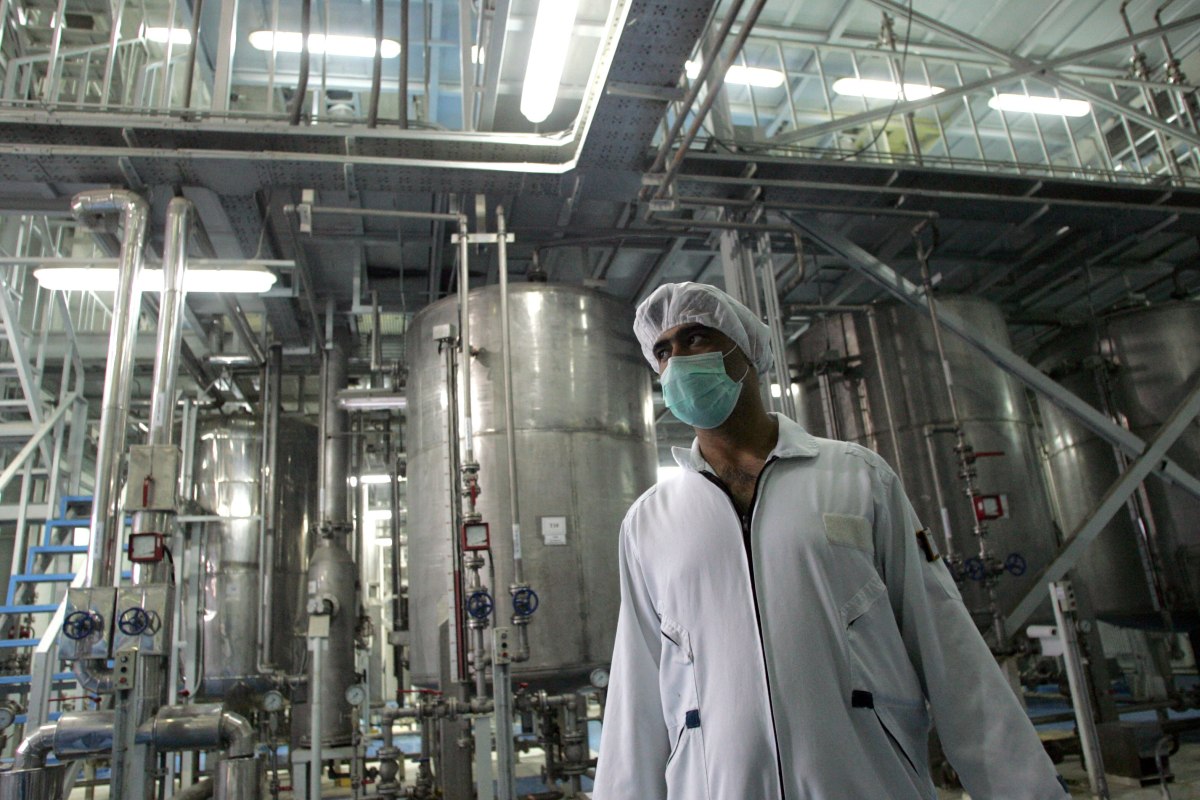
The Pilot Fuel Enrichment Plant (PFEP) at Natanz is a key site within Iran’s nuclear complex, historically used for advanced enrichment research and development. Although the facility “likely held several kilograms of highly enriched uranium,” ISIS stressed that such material is “not negligible” in the broader context of Iran’s nuclear capabilities.
Renewed activity at PFEP comes amid longstanding U.S. and Israeli concerns that Iran’s nuclear program, which Iran insisted it has never sought nuclear weapons, could bring it closer to weapons-grade capability. The fact that U.S. airstrikes targeted multiple sites during the June conflict before a ceasefire was agreed on June 24 underscores the strategic importance of these facilities and the potential risks associated with their recovery.
What to Know
ISIS, a think tank focused on nuclear nonproliferation, reported that satellite imagery from December 13 show panels placed on top of the remaining anti-drone structure at PFEP, providing cover for the damaged facility.
Although partially sealed, a large hole remains where the drone cage was penetrated. The think tank suggested the new covering allows Iran to examine or retrieve materials from the rubble while limiting external observation. “This indicates Iran wants to explore the rubble out of sight of prying eyes,” it wrote.
ISIS posted the satellite image on X on Thursday, highlighting the renewed activity at the damaged facility.
Other Sites Remain Quiet
While PFEP shows renewed activity, ISIS said it has not observed similar signs at other major nuclear sites, including the underground Fordow facility also damaged in June by airstrikes. The targeted focus on PFEP may reflect its role in research and development of advanced centrifuges and enrichment processes.
IAEA Access Restrictions
Meanwhile, International Atomic Energy Agency (IAEA) Director General Rafael Grossi said inspectors have returned to some facilities but remain barred from those struck by the U.S.
“We are only allowed to access sites that were not hit,” he told Russia’s RIA Novosti earlier this week.
What People Are Saying
IAEA Director General Rafael Grossi said this week: “We are only allowed to access sites that were not hit. These other three sites—Natanz, Isfahan and Fordow—are even more significant, since they still contain substantial amounts of nuclear material and equipment, and we need to return there.”
U.S. President Donald Trump said earlier this month: “Forget about the nuclear. The nuclear is gone. But look at the damage they’ve suffered, the death that they’ve suffered. They could have had a deal where nobody would have died.”
Iran’s Supreme Leader Ali Khamenei said last week: “We are confronted with a broad front in a propaganda war; we are in a spiritual war.”
What Happens Next?
The activity at PFEP is likely to draw increased international scrutiny, with satellite monitoring and diplomatic pressure focused on whether Iran can rebuild its enrichment capabilities. The resumption of inspections at off-limits sites will be critical in assessing Tehran’s next steps and broader implications for regional security.
Read the full article here