





Close Menu
News Web DailyNews Web Daily
  • Home
  • News
  • United States
  • World
  • Politics
  • Business
  • Technology
  • Health
  • Lifestyle
  • Entertainment
  • Sports
Trending

Democrats warn Trump greenlighting Nvidia AI chip sales could boost China’s military edge

December 26, 2025

Warriors coach Steve Kerr takes ownership in sideline clash with Draymond Green

December 26, 2025

Migrant truckers sue California DMV over canceled commercial drivers’ licenses

December 26, 2025
Facebook X (Twitter) Instagram
Login
  • For Advertisers
  • Contact
News Web DailyNews Web Daily
Join Us Newsletter
  • Home
  • News
  • United States
  • World
  • Politics
  • Business
  • Technology
  • Health
  • Lifestyle
  • Entertainment
  • Sports
News Web DailyNews Web Daily
  • U.S.
  • Politics
  • World
  • Business
  • Technology
  • Entertainment
  • Health
  • Lifestyle
  • Sports
Home»Technology
Technology

Best Family Phone Plans for 2025

News RoomNews RoomDecember 26, 20252 Mins Read
Facebook Twitter Pinterest LinkedIn Copy Link Email Tumblr Telegram WhatsApp

“5G” is an umbrella term that encompasses the current fifth-generation cellular wireless network technologies. All the major carriers and phones support 5G connections, which can offer faster data speeds than older technologies such as 4G LTE or 3G.

Essentially there are three types of 5G: Millimeter-wave (mmWave), which can be fast but has limited range; low-band 5G, which has slower speeds but works on a broader range; and midband, which is a balance between the two that’s faster than low-band but also covers a larger range than millimeter-wave. Midband also incorporates C-band, a batch of spectrum auctioned off by the Federal Communications Commission in 2021.

Your phone’s 5G connection depends on which type blankets the area you’re in, as well as other factors, such as population density and infrastructure. For instance, mmWave is super fast, but its signals can be thwarted by buildings — or glass, or leaves — or whether you’re inside a structure.

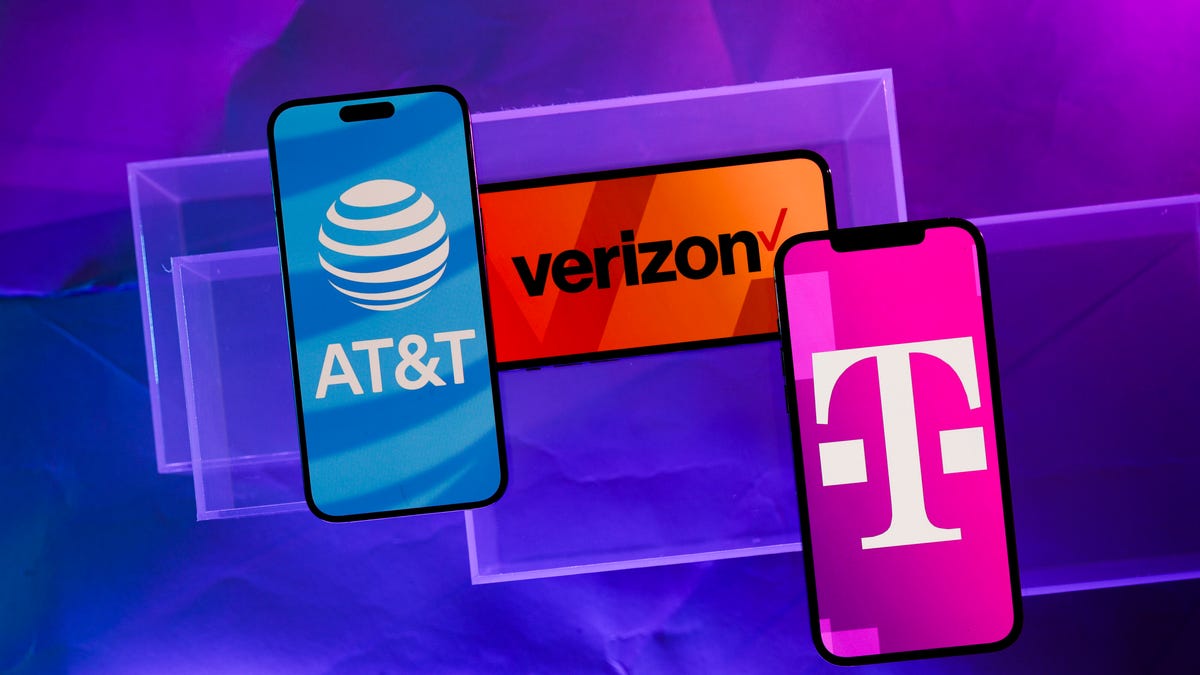
When your device is connected to a 5G network, it can show up as several variations such as 5G, 5G Plus, 5G UW or others, depending on the carrier. Here’s a list of icons you see at the top of your phone for the major services:

AT&T: 5GE (which isn’t actually 5G, but rather a sly marketing name for 4G LTE), 5G (low band), 5G Plus (mmWave, midband)

Verizon: 5G (low band, also called “Nationwide 5G”), 5G UW/5G UWB (midband and mmWave, also called “5G Ultra Wideband”)

T-Mobile: 5G (low band), 5G UC (midband and mmWave, also called “Ultra Capacity 5G”)

There’s also 5G Reduced Capacity (5G RedCap), which is a lower-power, smaller-capacity branch of 5G used by devices such as smartwatches and portable health devices; the Apple Watch Ultra 3, for example, connects via 5G RedCap.

Just around the corner is 5G Advanced, promising much faster speeds due to carrier aggregation, or combining multiple spectrums.


Read the full article here

Share. Facebook Twitter Pinterest LinkedIn Email Reddit Telegram
Add A Comment
Leave A Reply Cancel Reply

Editors Picks

Warriors coach Steve Kerr takes ownership in sideline clash with Draymond Green

December 26, 2025

Migrant truckers sue California DMV over canceled commercial drivers’ licenses

December 26, 2025

Australian prime minister announces national bravery honors after antisemitic terror attack

December 26, 2025

‘Stranger Things’ Season 5 Part 2 Ending Explained: Who Died? Who Broke Up? How Did Will Come Out?

December 26, 2025
Facebook X (Twitter) Instagram LinkedIn
Copyright © 2025 YieldRadius LLP. All Rights Reserved.
  • Privacy Policy
  • Terms
  • Contact
  • For Advertisers

Type above and press Enter to search. Press Esc to cancel.

Sign In or Register

Welcome Back!

Login to your account below.

Lost password?